







Tax refund scams are on the rise: Protect your money this season
Security
Feb 24, 2026
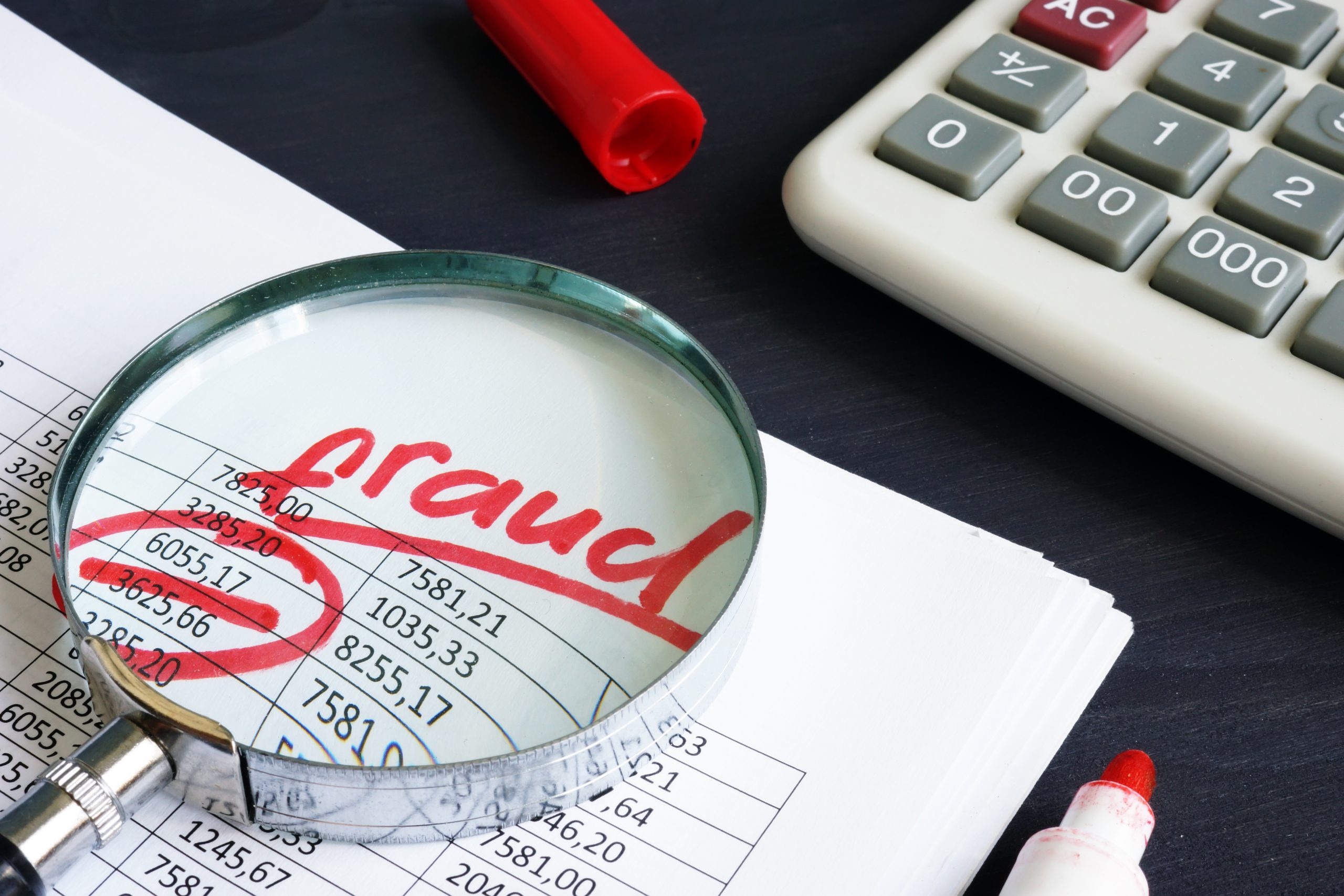
Tax season should feel rewarding, especially if you’re expecting a refund. Unfortunately, it’s also a prime time for scammers who try to steal personal information, intercept refunds, or trick people into sending money.
Every year, fraudsters impersonate the IRS, tax preparers, or even credit unions to create urgency and fear. Their goal? To get you to share sensitive information or send cash before you realize something isn’t right.
Watch for these common tax refund scams
Fake IRS messages: Scammers send texts, emails, or calls claiming there’s a “problem” with your refund or that you owe back taxes. They may threaten penalties or arrest if you don’t act immediately.
Refund deposit scams: You might receive a message saying your refund is ready and asking you to “verify” your account number, Social Security number, or online banking credentials.
Identity theft filings: Criminals use stolen personal information to file a tax return in your name and claim your refund before you do.
Tax prep impersonation: Fake tax preparers or websites promise unusually large refunds or ask for payment upfront and then disappear with your data.
Protect yourself
- Remember: The IRS won’t contact you first by text, email, or social media.
- Never click links or download attachments from unexpected, tax-related messages.
- File early to minimize the opportunity for someone to file fraudulently in your name.
- Use strong passwords and multifactor authentication for tax and banking accounts.
- Work only with trusted, reputable tax preparers.
- Monitor your accounts regularly for suspicious activity.
Seeing red flags?
If you suspect a scam, don’t respond. Use these guidelines to report it to the IRS. If someone claims to be contacting you from Harborstone and you feel suspicious, call 1-800-523-3641 to speak to us directly. We’re here to help you safeguard your money.