





Verification Scams: The Code Is the Key
Security
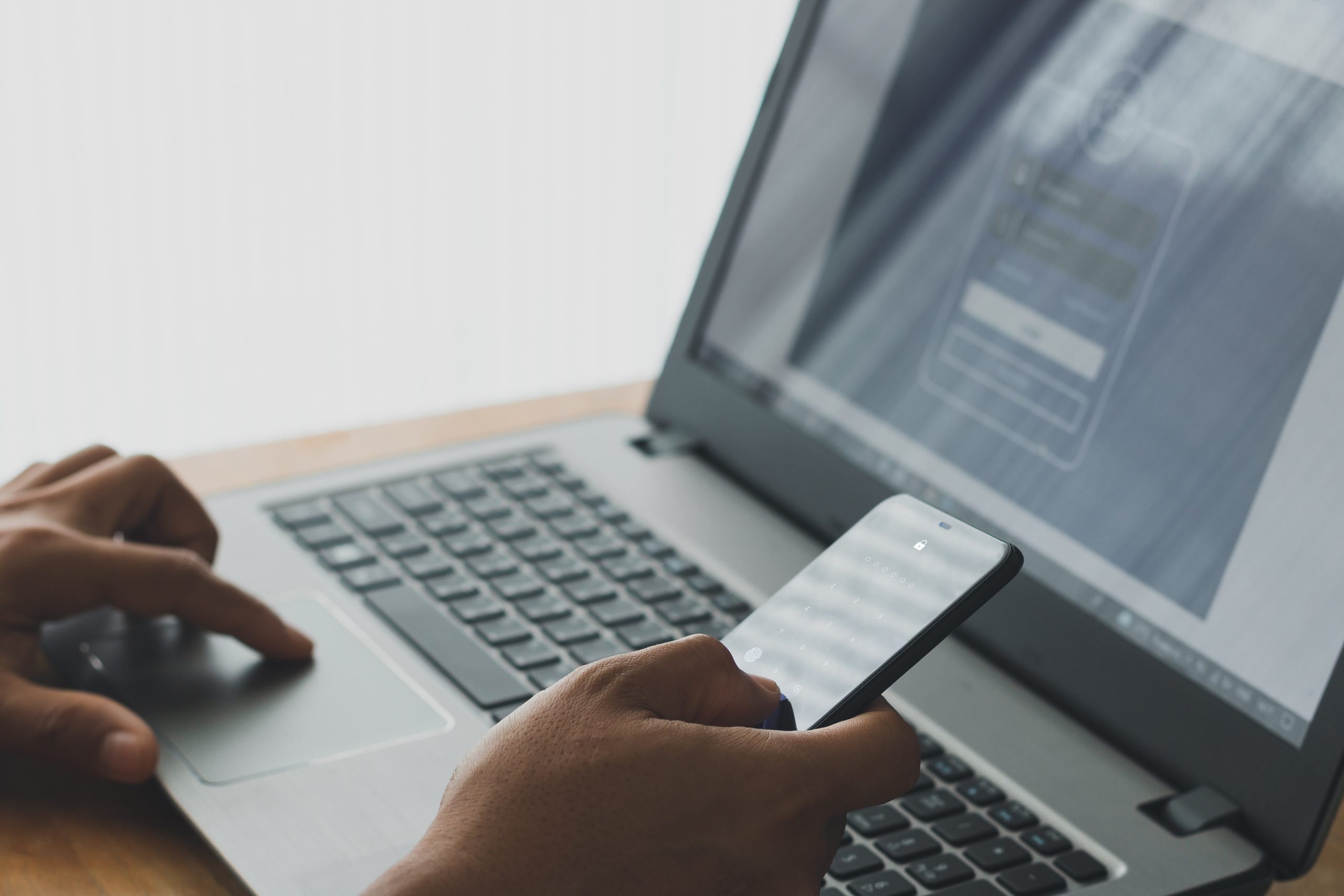
Two-factor verification is designed to add an extra layer of protection between your account and a scammer. Still, even this valuable technology can make you vulnerable, if you let it.
A text message with a verification code may seem harmless, especially if someone on the phone says they’re from your credit union and needs the code to “protect your account.” But that code is often the final key a scammer needs to get past your security and take over your account.
An oldie, not a goodie
Account takeover scams involving verification codes remain very active, and at Harborstone, we continue to see this tactic regularly.
Here’s how it works: A scammer may already have some of your personal information, such as your username, phone number, or email address. They attempt to log into your account, which triggers a one-time verification code to be sent to you. Then they call, text, or email pretending to be from Harborstone, a fraud department, or another trusted company. They ask you to read the code back to them.
If you share it, the scammer may be able to access your online banking, change your password, move money, or lock you out of your own account.
Watch for these red flags:
- A request for a verification code: A financial institution will never ask you to share a one-time passcode, PIN, or online banking password.
- Urgency: Scammers may say your account is frozen, compromised, or about to be closed unless you take action.
- The caller already knows some information: Having your name, phone number, or partial account details does not prove that someone is legitimate.
- Surprise codes: Receiving a code you didn’t request may mean someone is trying to access your account.
- They tell you not to hang up: A real financial institution will not pressure you to stay on the line.
Protect that code
If you receive an unexpected verification code, do not share it with anyone. If someone contacts you asking for the code, end the conversation right away and contact us immediately at 1-800-523-3641.
The safest code is the one you never share.